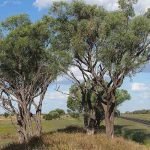
Acacia wood offers versatile furnishing uses and also provides great durability. However, consumers are more eco-conscious about the type of wood we use in our homes or office spaces than ever. For this reason, we look at acacia’s sustainability. Acacia is popular worldwide thanks to its unique look and textured patterns. When manufactured into wood, each piece looks different from the other, giving it unique patterns.
The most striking feature of an acacia tree is its capacity to store carbon, consequently reducing the amount of carbon in the air. This makes it one of the most natural ways to address increasing fears of the climate crisis and global warming. Fortunately, acacia grows pretty quickly, which ensures a continuous supply of this natural resource.
This article will walk through acacia’s life cycle, understand how sustainable it is at different stages of sourcing and manufacturing, and everything else you need to know about acacia wood. We will learn about FCS-certified acacia for eco-conscious use in our daily life.
What Makes Acacia Sustainable?
Versatility, affordability, and durability, the three grail of any successful consumer product. Acicia checks all these boxes making it highly
Used across the world for home and office furnishing, musical instruments, and flooring, acacia grew widely popular. This is primarily because there are a hundred different types of acacia growing around the world. As a result, the accessibility of acacia timber globally along with its natural hardness and resistance to rot for years makes it a winning option amongst many consumers. Moreover, most of these Acacia species adapts to local temperatures, making them ideal as a replenishable source of natural resource.
Life Cycle of the Acacia Plant
Acacia grows to about 30 feet in 5 years, and this quick growth makes it easy to grow and harvest it for multiple uses. Interestingly, acacia can easily adapt to different conditions. And for this reason, acacia plantations grow in many parts of the world. Growing acacia by itself is an easy process, given that the plant does not need any fertilizer or pesticides.
In comparison to mahogany and teak, often considered endangered since it takes years to grow back, acacia grows on any soil and easily adapts to the environment to thrive. Most importantly, acacia also helps store carbon found in the air, thereby reducing the ill effects of climate change and global warming. Even with the acacia timber production for furniture and flooring, a lot of the wood waste becomes recycled by-products. In the end, this helps offset any carbon footprint it leaves in the process of manufacturing.
Though acacia widely grows in many parts of the world, the US and other countries import some forms of acacia from Australia. In these cases, the transportation of timber leaves behind an immense carbon footprint. Making this, a non-sustainable and non-viable for large-scale consumption. However, the actual life cycle of acacia wood processed as furnishing have a long life. They can withstand different climate conditions without moisture build-up or rotting.
What does Carbon Sequestration?
If you have been reading about acacia, you may have noticed the word carbon sequestration used multiple times. It is also one of the main wins for acacia’s sustainability. As you may know, plants take in carbon dioxide from the atmosphere and back releases oxygen. Through this process, the acacia plants act as a carbon sink, collecting all the CO2 near it. Consequently, this reduces the burden of climate change and global warming.
Though, with regard to sustainability, one may argue that cutting down acacia hinders its natural process of carbon sequestration. Even so, the rapid growth rate of the plants helps in the process of continuously replenishing acacia not just as a source of wood for human use, but also to maintain the ecosystem.
Reasons for Sustainability Debate with Acacia
Despite being a highly adaptive plant, the original source of acacia traces back to Australia. Most of the acacia wood in the USA uses Australian Blackwood and Hawaiian Koa. Despite finding 1000s of acacia species globally, transportation of these two species across borders for use in our homes and offices results in a higher carbon footprint. This raises the main question of the sustainable use of acacia wood.